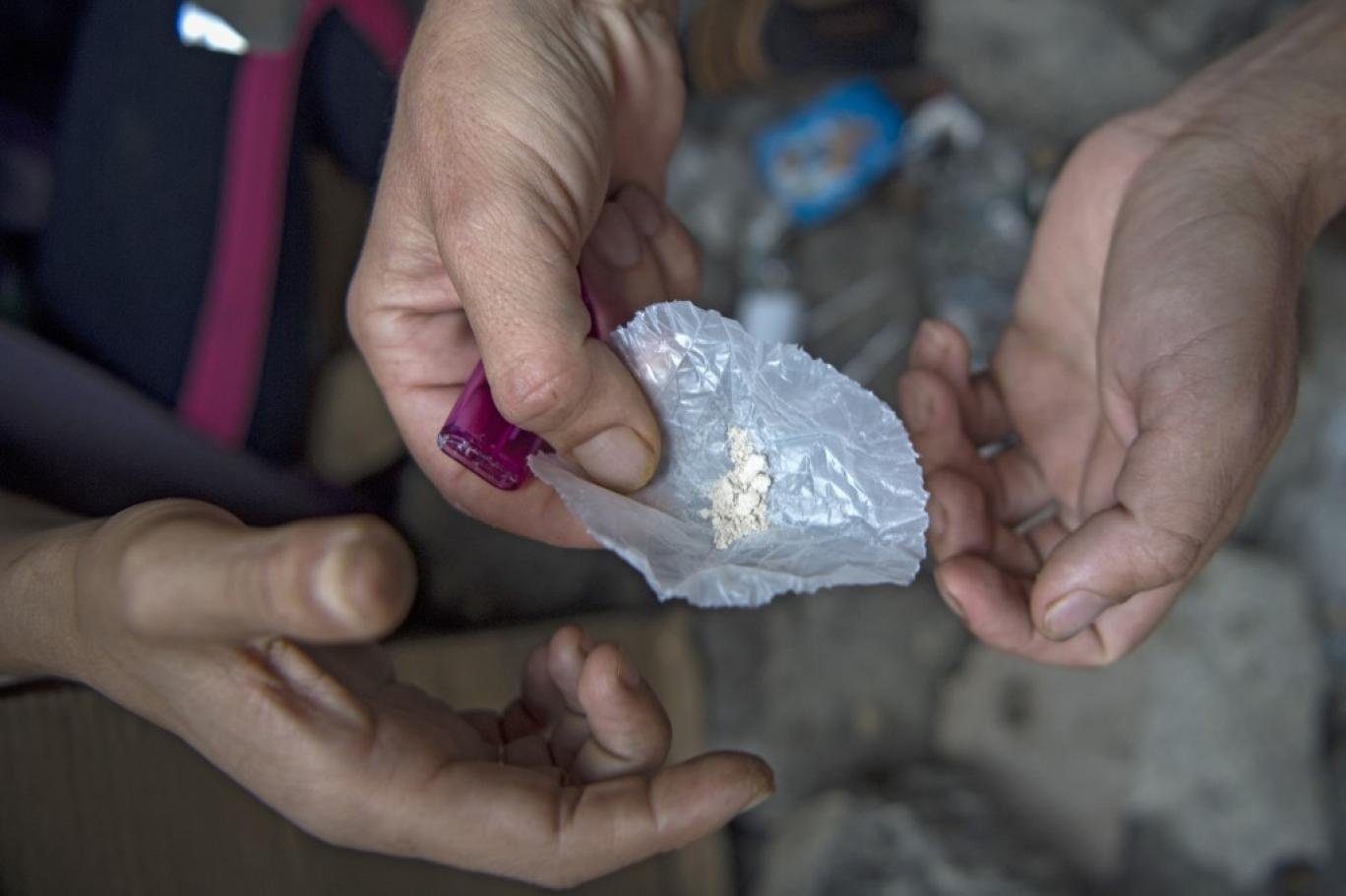
The difference between drug use and trafficking in Jordanian law appears clearly in how the court deals with the arrested person, since the law views the user as someone in need of treatment while regarding the trafficker as a criminal deserving punishment. Legal practitioners also rely, in distinguishing between the two, on the person's intent when possessing the narcotic substances and the quantity of grams found in their possession at the time of arrest.
If the quantity is small and intended for personal use, the penalty differs completely from possessing large quantities with intent to sell. This legislative distinction aims to protect young people from addiction by providing rehabilitation centers for users, while at the same time imposing deterrent penalties on anyone who attempts to spread this poison among people to achieve financial profit through illegal means that harm society.
Definition of Drug Use
The difference between drug use and trafficking in Jordanian law indicates that use is when a person consumes narcotic substances individually and in isolation, without any intent to distribute or sell them to others. Attorney Yasmin Abu Hadba explains that the Jordanian legislator treats a first-time user with a degree of leniency, meaning that traditional penalties can be replaced with treatment programs or alternative penalties such as short-term detention.
This is aimed at rehabilitating the individual and reintegrating them into society once again. The law also sets clear boundaries distinguishing between types of narcotic substances and the quantities seized, as the more it is established that the substance was intended solely for personal use, the more this mitigates the severity of the judicial ruling.
Therefore, legal defense in these cases focuses on presenting evidence proving the absence of intent to profit or traffic, and concentrating solely on the aspect of personal use. This enables the defense to shift the course of the case from a felony of trafficking to a misdemeanor of use requiring treatment or a reduced penalty in accordance with the applicable legal provisions.
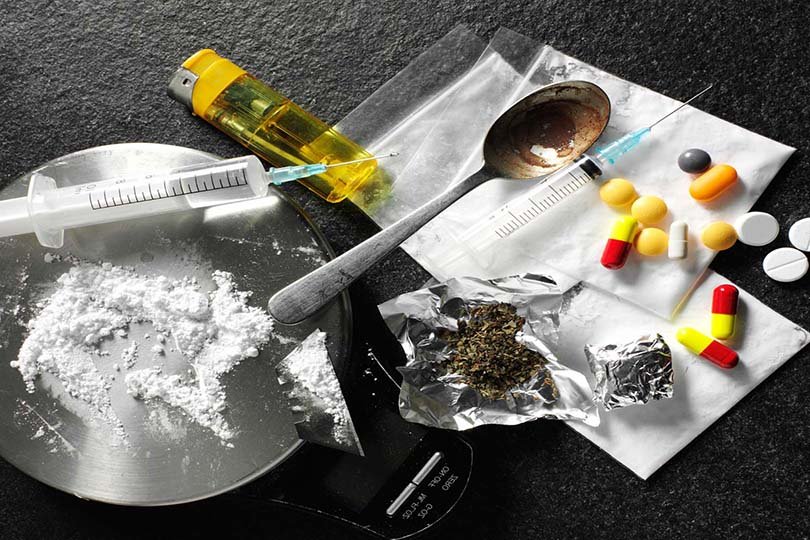
The Difference Between Drug Use and Trafficking
Definition of Drug Trafficking
Drug trafficking is considered a crime involving the sale, transport, or distribution of narcotic substances to any other person with the aim of profit or dissemination. Here, the difference between drug use and trafficking in Jordanian law becomes clearly apparent, as Attorney Yasmin Abu Hadba explains that trafficking is classified as a serious crime, with its penalty reaching lengthy imprisonment or hard labor depending on the details of the case.
Jordanian laws precisely distinguish between a first-time trafficker and a repeat trafficker, as the penalty is significantly increased in cases of repetition in order to protect the security of society. The determination of the quantity and type of drug also plays an important role in issuing the final ruling, as the greater the quantity attributed to the accused, the greater the severity of the prescribed legal penalty.
Penalties for Use Versus Trafficking
Courts rely on the difference between drug use and trafficking in Jordanian law when determining the penalty, to ensure a just ruling and sufficiently harsh deterrence for criminals:
- The penalty for first-time use generally ranges between three to six months of detention, with the possibility of replacing it with treatment and rehabilitation programs.
- Attorney Yasmin Abu Hadba emphasizes the necessity of proving the state of personal use before the court in order to help mitigate the ruling issued against the accused.
- The penalty for trafficking under Jordanian law reaches imprisonment from five years up to fifteen years with temporary hard labor.
- Reducing the length of the sentence requires extensive legal expertise in legislative loopholes, which Attorney Yasmin Abu Hadba skillfully provides to her clients.
Read more:The Role of a Specialized Lawyer in Drug and State Security Cases in Jordan
Evidence Required to Prove Use or Trafficking
Resolving drug cases requires the presentation of conclusive evidence clarifying the difference between drug use and trafficking in Jordanian law in order to determine the correct legal course for the accused, where:
- Laboratory tests and official medical reports are among the most important scientific evidence confirming a state of personal use and supporting the accused's position.
- Evidence of trafficking involves more complex elements such as call recordings, witness testimonies, and police investigations into the activity of the suspected individual.
- Attorney Yasmin Abu Hadba affirms that any flaw in the procedures for seizing or storing the substances may legally lead to the complete nullification of the lawsuit.
- Legal defense plays an important role in examining the legitimacy of the evidence presented to ensure that individual use is not conflated with the felony of distribution and sale.
The Difference in Judicial Procedures
The legal pathways followed in the courts differ according to the type of charge brought against the person. The difference between drug use and trafficking in Jordanian law appears through the jurisdiction of the court and the nature of the procedures. Use cases generally fall under the jurisdiction of the court of first instance, with short-term penalties aimed more at rehabilitation and treatment than harsh punishment.
In cases of trafficking, however, the case shifts to the jurisdiction of the State Security Court due to its significant danger to the stability and national security of society. Attorney Yasmin Abu Hadba explains that legal follow-up begins from the moment of the initial investigation by the security authorities until the final verdict is issued, in order to ensure that the accused is not subjected to any unlawful procedure.
This variation in procedures requires extensive expertise in dealing with each court individually. In trafficking cases, the defense focuses on negating the elements of the crime, while in use cases it seeks to provide mitigating circumstances that give the accused a genuine opportunity to start a new life away from prison.

The Difference Between Drug Use and Trafficking
The Importance of Early Legal Representation
Prompt legal intervention helps clarify the difference between drug use and trafficking in Jordanian law and protects the accused's rights from the very first moments of investigation:
- Attorney Yasmin Abu Hadba advises retaining a specialized lawyer immediately upon a person's arrest to ensure the soundness of the legal procedures followed.
- Early legal representation allows for a review of the manner in which the substances were seized and the presentation of strong defenses that may completely change the course of the case.
- Having a lawyer in use cases contributes to submitting requests to convert the sentence from imprisonment to alternative treatment and rehabilitation programs.
- The importance of defense in trafficking cases is highlighted through challenging any legal procedural flaw, which may lead to a reduced sentence or acquittal.
Defense Strategies
The strength of the accused's legal position depends on the clarity of the difference between drug use and trafficking in Jordanian law, through the evidence presented by the defense to establish the actual circumstances of the offense:
- Attorney Yasmin Abu Hadba focuses on presenting defenses that negate the element of criminal intent in trafficking and establish that the case is limited solely to personal use.
- Proving the absence of intent to distribute, or of tools supporting the idea of direct involvement in selling, significantly helps mitigate the penalties imposed.
- Organizing physical evidence and testimonies in accordance with recognized legal frameworks increases the chances of obtaining a fair ruling that takes into account the circumstances of the accused.
- The defense works to present reports proving that the accused has no prior criminal record in promotion, which enhances the chance of obtaining an acquittal from the charge of trafficking.
Frequently Asked Questions
What is the lawyer's role in drug use cases?
The lawyer works to steer the case toward a treatment-oriented path rather than a punitive one, while ensuring the soundness of all laboratory and technical procedures undertaken.
Can a drug trafficking sentence be reduced?
Yes, if there are loopholes in the arrest or search procedures, or when defenses are presented that negate the intent to traffic and tip the balance toward use.
How do medical reports affect the judge's ruling?
Medical reports are considered decisive scientific evidence because they help the judge distinguish between an addict who needs care and a trafficker who threatens the security of society.
The difference between drug use and trafficking in Jordanian law remains a standard for achieving justice and protecting society, as dealing with these cases requires broad legal awareness and specialized expertise to secure the reduced penalties or treatment opportunities guaranteed by legislation for individuals.
Learn more:Appeal by Cassation in Drug Cases Before the State Security Court in Jordan
The Accused's Right to Defense and Provisional Release in Drug Cases
The Most Common Legal Mistakes Made by Defendants in Drug Cases